
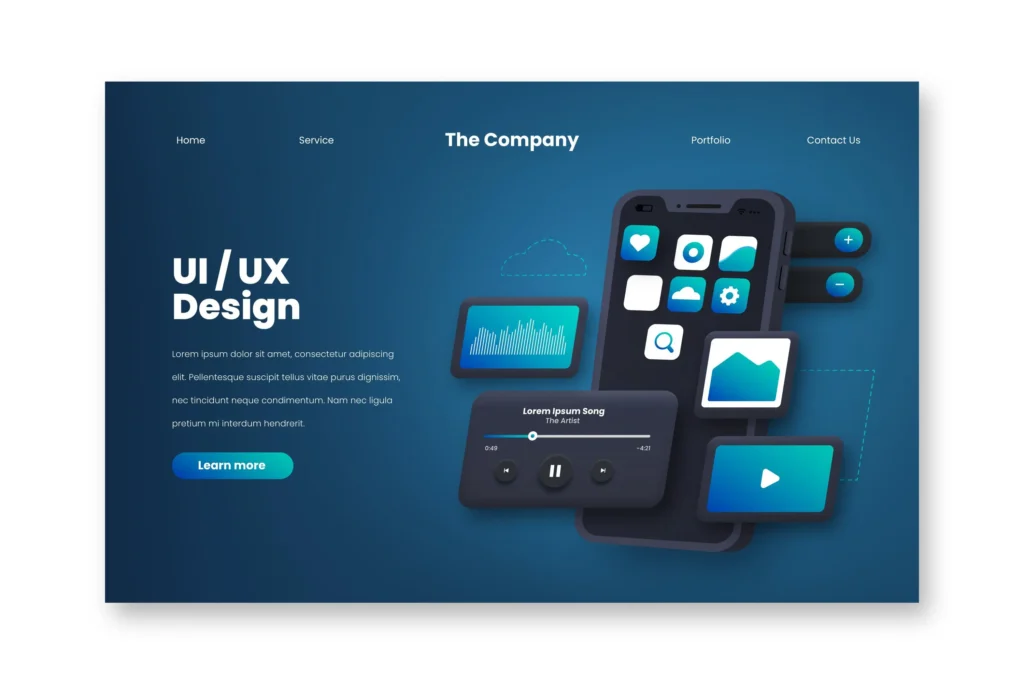
In today’s digital era, having a Mobile-Optimized Web Design isn’t just a luxury — it’s essential. With mobile traffic continuing to dominate web usage worldwide, businesses that prioritize a high-performance mobile experience gain more traffic, better engagement, and improved conversions. In fact, sites that load fast and behave intuitively on smartphones attract more users and build greater trust among audiences. This blog explores how a high-performance mobile-optimized website delivers measurable results and sets your business up for sustained growth.
What Is Mobile-Optimized Web Design?
At its core, Mobile-Optimized Web Design ensures that a website works seamlessly on mobile devices like smartphones and tablets, as well as desktops. This means that layouts automatically adapt to screen size, buttons and navigation are easy to tap, and content is readable without zooming or horizontal scrolling. A mobile-optimized site often uses techniques such as responsive web design, flexible grids, and fluid images so the layout adjusts itself based on device screen dimensions.
Today, mobile-friendly experiences are not optional — they’re expected. Users want to find information quickly and interact with sites effortlessly, regardless of the device they’re using. And since search engines like Google prioritize mobile experience in rankings, delivering a high-performance mobile site improves SEO visibility too.
Why Businesses Need High-Performance Mobile-Optimized Website Design
A High-Performance Website Design focused on mobile users delivers many business advantages:
1. Better User Experience
Mobile visitors are often on the go and expect information quickly. Pages that adapt to screen size, use clear navigation, and load fast enhance user experience. Studies show users are more likely to stay on sites that load in under three seconds — anything slower results in abandonment.
2. Higher Search Engine Rankings
Search algorithm updates prioritize mobile-friendly sites. When a website uses Responsive Web Design and performs well on mobile devices, it is more likely to appear higher in search results. This boosts organic visibility and attracts more qualified traffic.
3. Lower Bounce Rates
A mobile-optimized site reduces friction and encourages users to explore longer. When visitors find what they need quickly and easily, they stay longer, which signals quality to search engines and improves ranking metrics.
4. Increased Conversion Rates
Whether your goal is form fills, purchases, or sign-ups, a site that performs well on mobile — with intuitive layouts and fast interactions — significantly increases the chances that visitors take the desired action.
Core Elements of a High-Performance Mobile-Optimized Web Design
Here are the key components you must consider when building a mobile-optimized experience:
Responsive Web Design
Responsive web design ensures your site automatically adapts its layout to fit various screen sizes — from tiny mobile screens to large desktops. It adjusts content, images, navigation, and other elements fluidly to deliver a consistent experience everywhere.
In a responsive layout:
- Grids use relative units instead of fixed pixels.
- Media queries define breakpoints for different screen sizes.
- Flexible images scale correctly so they never overflow containers.
Mobile-First Design
A mobile-first design strategy starts by designing for the smallest screens first and then scaling up to larger ones. This ensures that the mobile experience — where most traffic resides — is optimized first, and desktop enhancements are added later.
Page Speed Optimization
Fast load times are a cornerstone of a high-performance mobile site. Prioritizing performance increases engagement and reduces bounce rates. Techniques include:
- Compressing images and video assets.
- Minimizing unnecessary animations and scripts.
- Using modern formats like WebP for images.
- Leveraging lazy loading so content loads only when needed.
Touch-Friendly Navigation
Mobile users rely on touch to interact with your site. This means buttons should be large enough to tap comfortably, menus should be simple, and interactive elements should avoid hover-only behavior that doesn’t work well on touch screens.
Simplified Content and Layout
Mobile screens are smaller, so clarity matters. Effective mobile-optimized design emphasizes concise text, vertical layouts, and call-to-action buttons placed where users can easily see them without excessive scrolling.
Testing and Iteration
A mobile-optimized site must be tested across multiple devices, network speeds, and browsers to ensure consistent performance. This helps catch usability issues and ensures design decisions work as intended.
Best Practices for Mobile-Optimized Web Design
To create a site that stands out in both performance and usability, follow these best practices:
Prioritize Speed
Compress images, minify CSS/JavaScript files, and remove unused scripts. Faster load times lead to happier users and better search rankings.
Use Fluid Grids and Flexible Layouts
Design layouts that use percentage-based units rather than fixed dimensions. This allows elements to scale logically with screen size.
Optimize Touch Interactions
Make clickable elements large and easy to navigate. Touch targets should have enough spacing to prevent accidental taps.
Implement Clear Call-To-Actions
Strategically place CTAs near the top of pages so users don’t miss them when scrolling.
Avoid Intrusive Elements
Elements like pop-ups can interrupt the mobile experience. Keep interactions smooth and non-disruptive.
How to Create a High-Performance Mobile-Optimized Website
If you’re wondering how to create a high-performance mobile-optimized website, here’s a step-by-step approach:
Start with Mobile-First Planning –
Prioritize what mobile users need most.Design Using Responsive Techniques – Use flexible grids, fluid layouts, and media queries.
Optimize Speed from the Start – Compress visuals and limit heavy scripts.
Build Intuitive Navigation – Keep menus simple and accessible for touch.
Test Across Devices – Check performance on different screen sizes and network conditions.
Iterate Based on Feedback – Adjust design based on real user behavior and testing results.
This strategy ensures your site is not only mobile-friendly but also highly performant, delivering great experiences that foster engagement and conversions.
FAQs About Mobile-Optimized Web Design
How to create a high-performance mobile-optimized website?
To create a mobile-optimized site, start with a mobile-first design, use responsive techniques like fluid grids and media queries, compress images and scripts for speed, simplify navigation, and test across real devices for consistent performance. Focus on performance optimization and usability throughout the design process.
What are the best practices for mobile-optimized web design?
Best practices include prioritizing page speed, using flexible layouts, optimizing images and touch interactions, and maintaining simple, clear content that loads quickly on all devices.
Why is responsive web design important for mobile sites?
Responsive web design allows a website to automatically adapt its layout and content to fit any screen size, improving user experience, SEO performance, and engagement metrics.
How does mobile optimization affect SEO?
Search engines use mobile-first indexing, meaning they primarily evaluate the mobile version of a site for rankings. Mobile-optimized and responsive sites typically rank higher and attract more organic traffic.
Conclusion
A Mobile-Optimized Web Design is the foundation of a successful online presence in a mobile-dominant world. By combining responsive techniques, performance optimization, intuitive layouts, and regular testing, you can create a high-performance website that engages users, improves SEO rankings, and drives business growth. Investing in mobile optimization pays dividends through better user satisfaction, higher engagement, and increased conversions — making it a must-have strategy for businesses of all sizes.